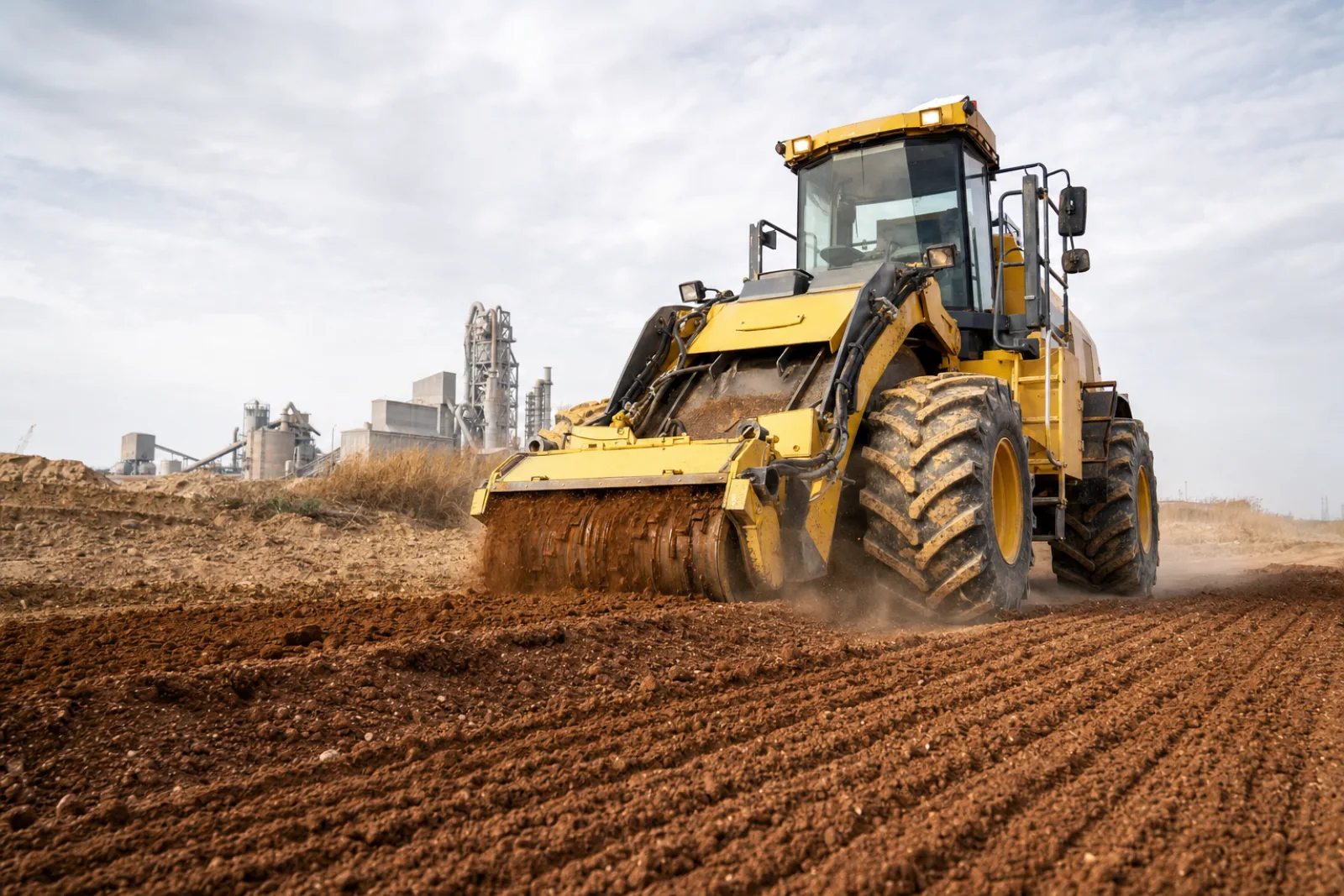
Heavy soil reclaimer pulverizing and mixing dirt on a civil construction site
In-Place Soil Stabilization

A solid road in days — at half the cost of asphalt.

In-place chemical soil stabilization for roads, lots, and pads on any site. No excavation. No hauling fill. Ready for Class 8 traffic the same day — engineered to stand up to heavy load, rain, and flood.

48 hrs
Ready for traffic
½
The cost of asphalt*
8–12 in
Stabilized depth
98%
Compaction density

*Typical; varies by project, soil, and scope.

FEMA-recognized method ASTM D 4609 30+ years 1.6M+ m³ stabilized
Real jobsite footage
The problem

Raw ground wasn't built for traffic.

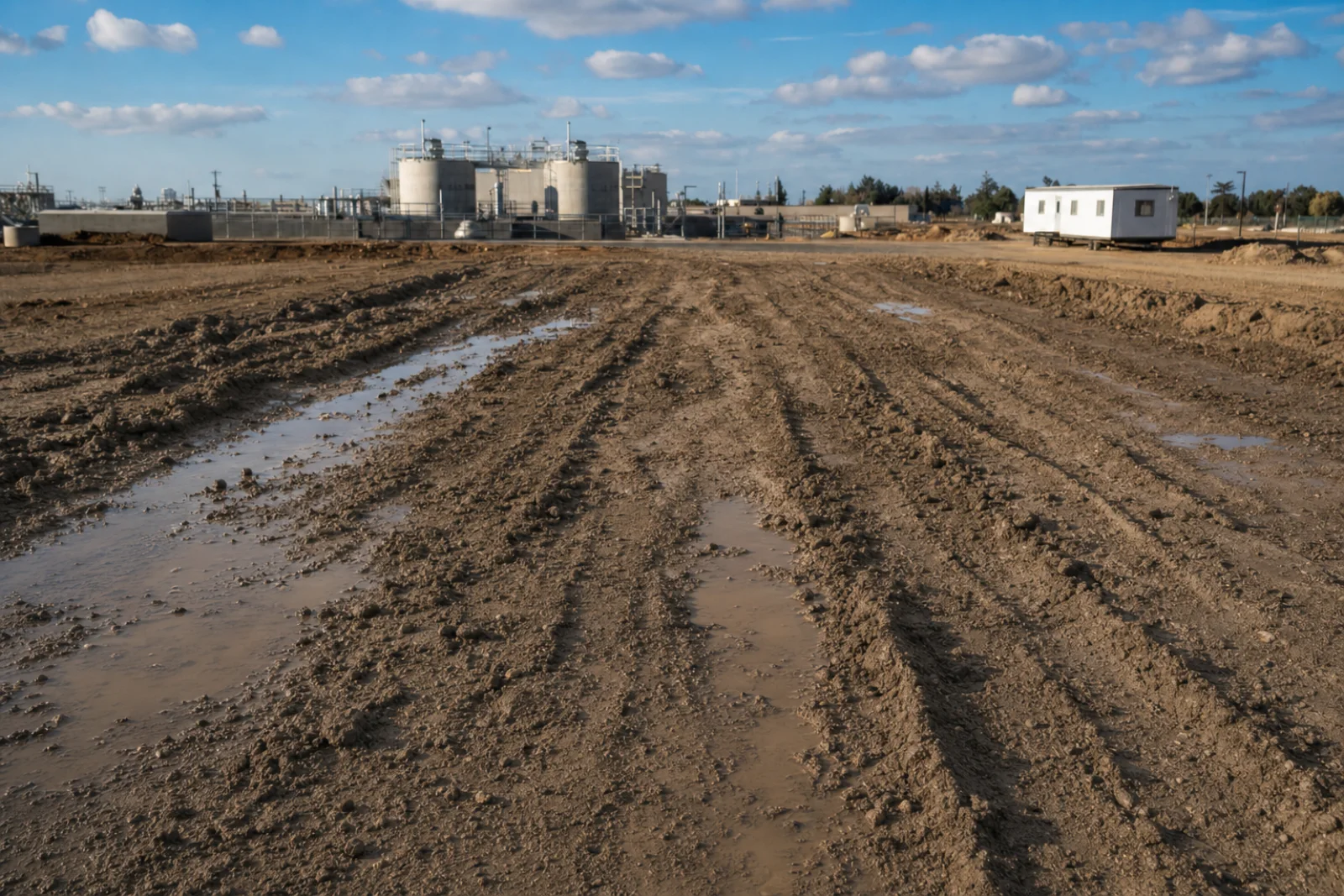
  • Mud and ruts after every storm — graded smooth, gone by the next rain.
  • Choking dust through the dry season on every unpaved surface.
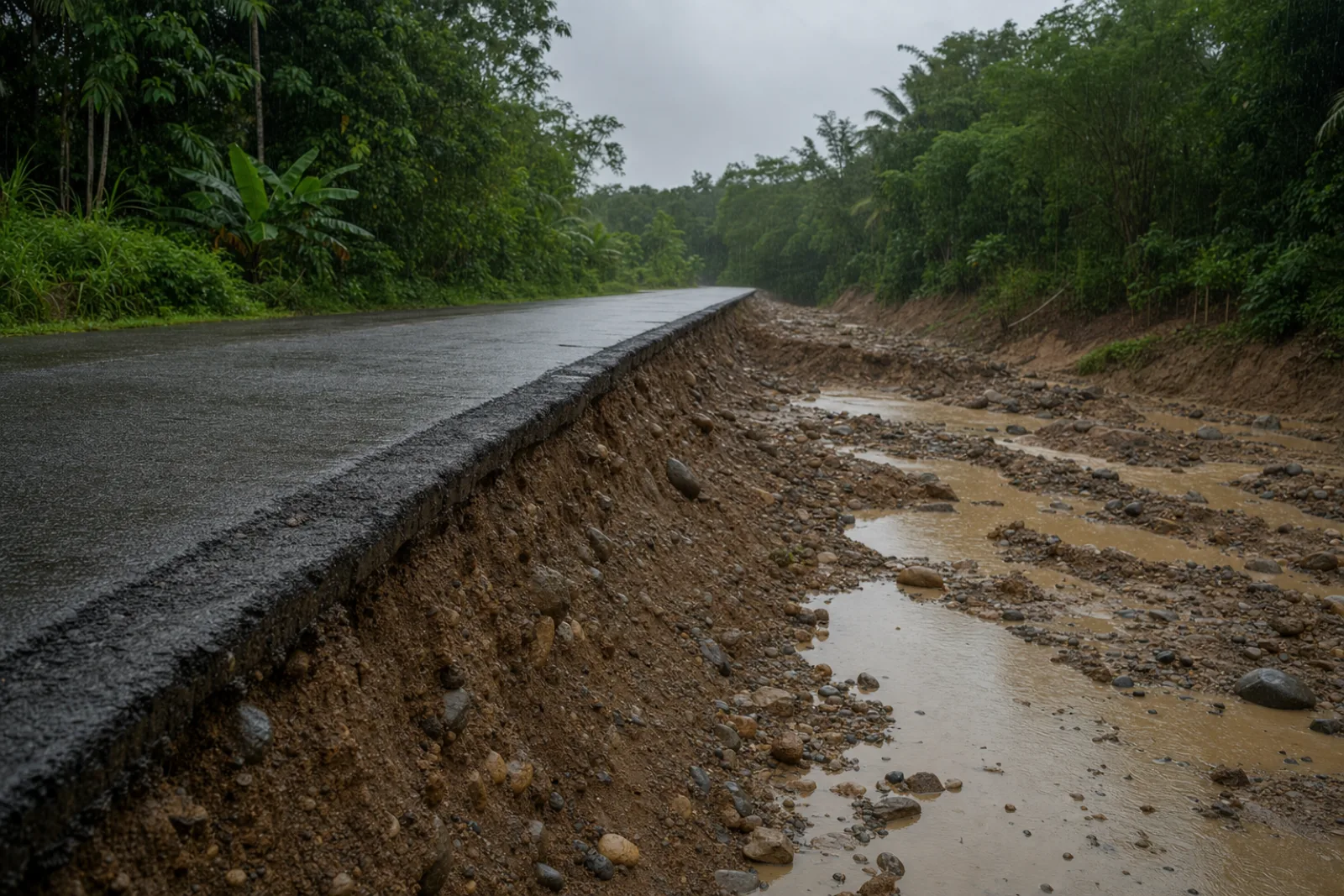
  • Washouts in storm season that close roads and stop operations.
  • Endless grading bills that never actually fix the ground.
  • Excavate-and-replace that blows your schedule and your budget.

It's a cycle that drains your maintenance budget — every single year.

The fix

We fix the ground itself — not the symptoms.

Our liquid chemical stabilizer bonds your existing soil particles together with a cementitious binder, filling the voids into a cohesive, water-resistant matrix. The result is a firm, load-bearing surface — without trucking in fill or trucking out mud.

Same-day traffic

Drive heavy loads on it the same day — no multi-day cure.

No excavation

We stabilize in place. Zero haul-off, zero imported fill.

Water-resistant

A sealed surface that sheds rain instead of soaking it up.

Recycles your road

Grind existing gravel or asphalt back into a stronger base.

~50% Up to 50% less than asphalt — and not tied to oil prices.*Results vary by project, soil and scope.
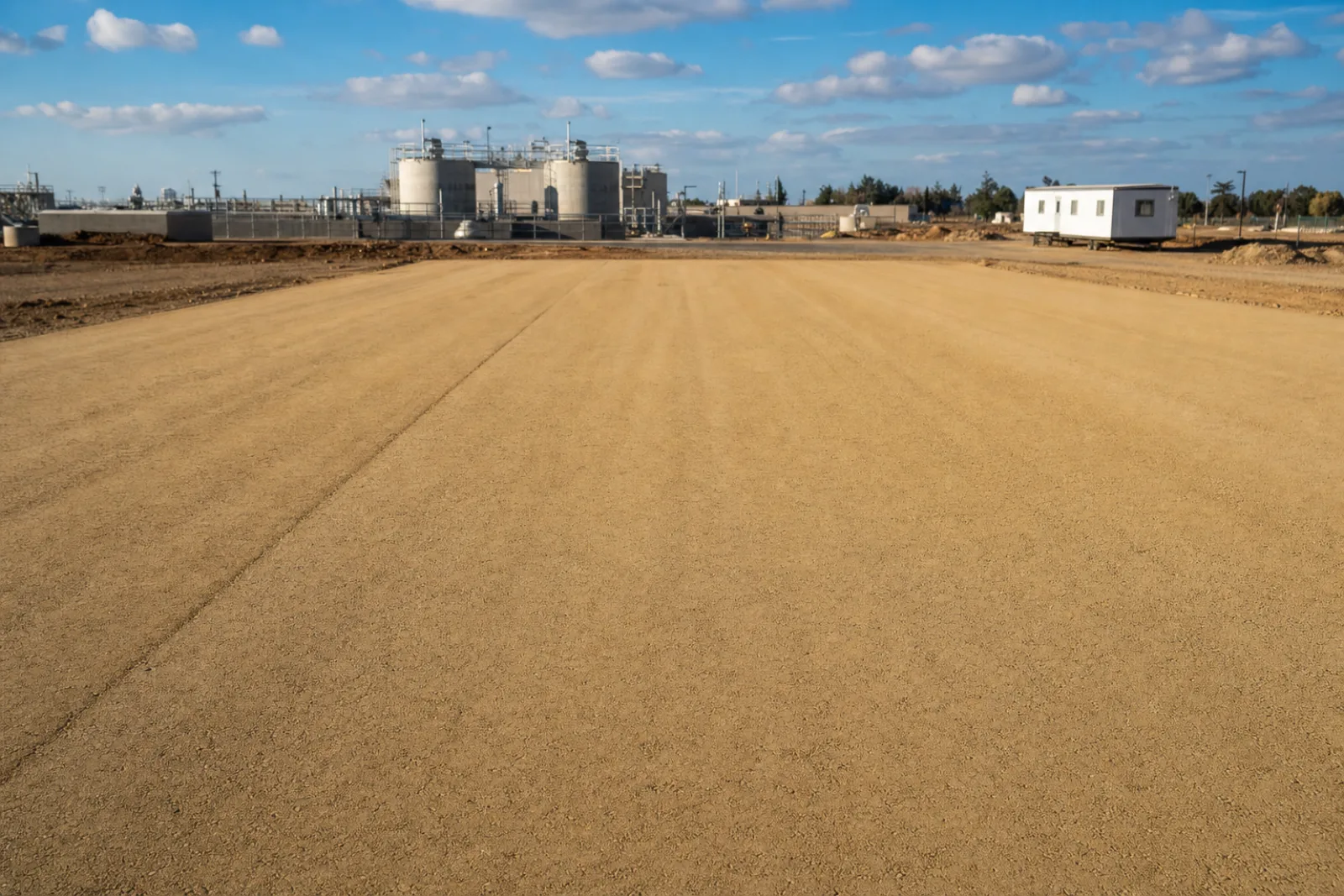
A finished, firm, compacted stabilized soil surface ready for traffic
The process

From dirt to load-bearing base — six steps.

One crew, one mobilization. We engineer the mix, blend it into your existing ground, and compact to density — then it's ready for traffic.

1
Step 01 · Engineer

Site assessment & soil test

We confirm the soil is non-organic and suitable, then engineer the binder mix design for your loads and conditions.

2
Step 02 · Prep

Grade & pulverize

We till and pulverize the native soil, gravel, or ground-up asphalt in place — your existing road becomes the raw material.

3
Step 03 · Apply

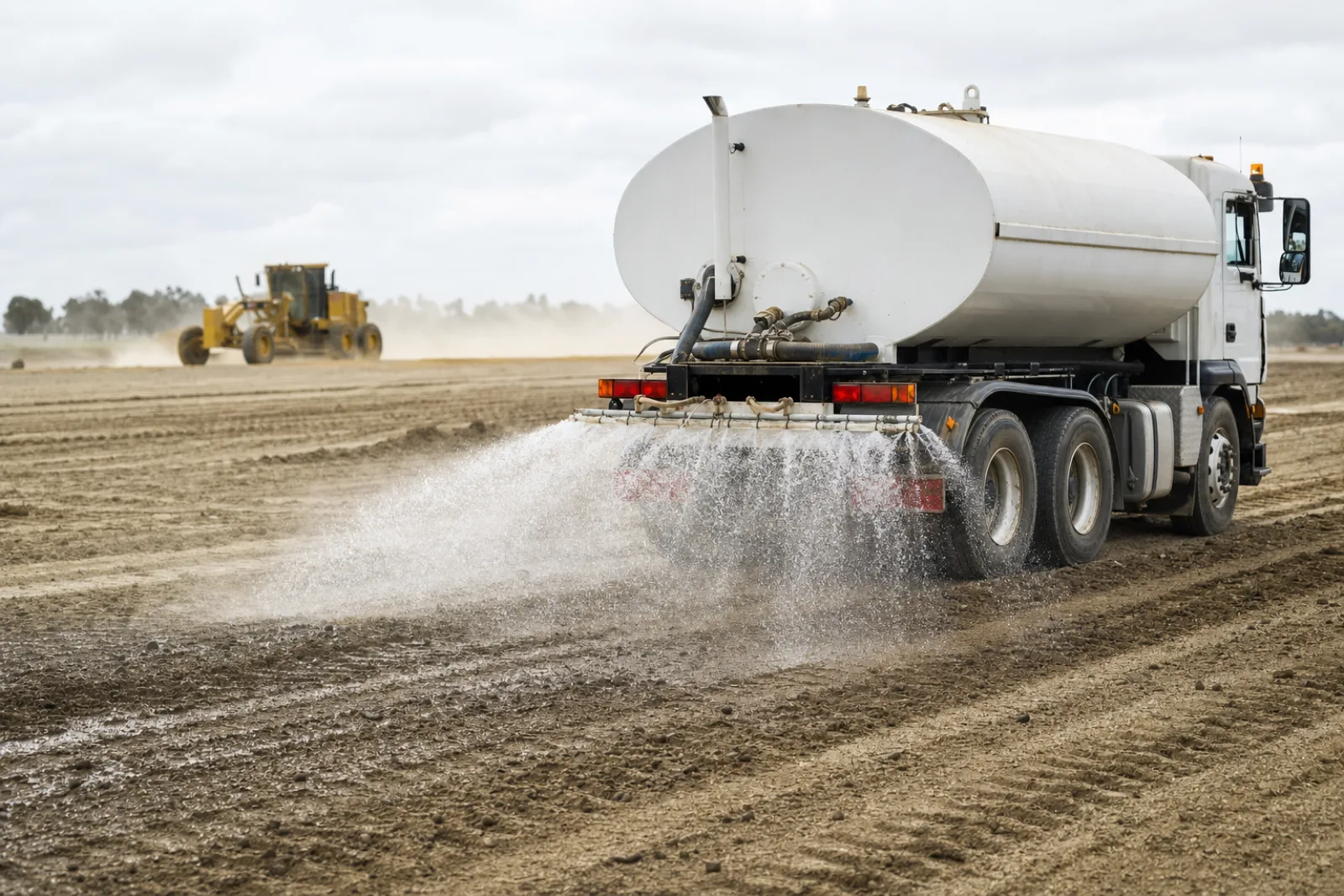
Apply stabilizer + binder + water

The liquid stabilizer, cementitious fines, and water are blended uniformly to the design depth of 8–12 inches.

4
Step 04 · Mix

Mix & homogenize

A reclaimer blends everything into a uniform, engineered base — consistent strength edge to edge, top to bottom.

5
Step 05 · Compact

Compact & seal

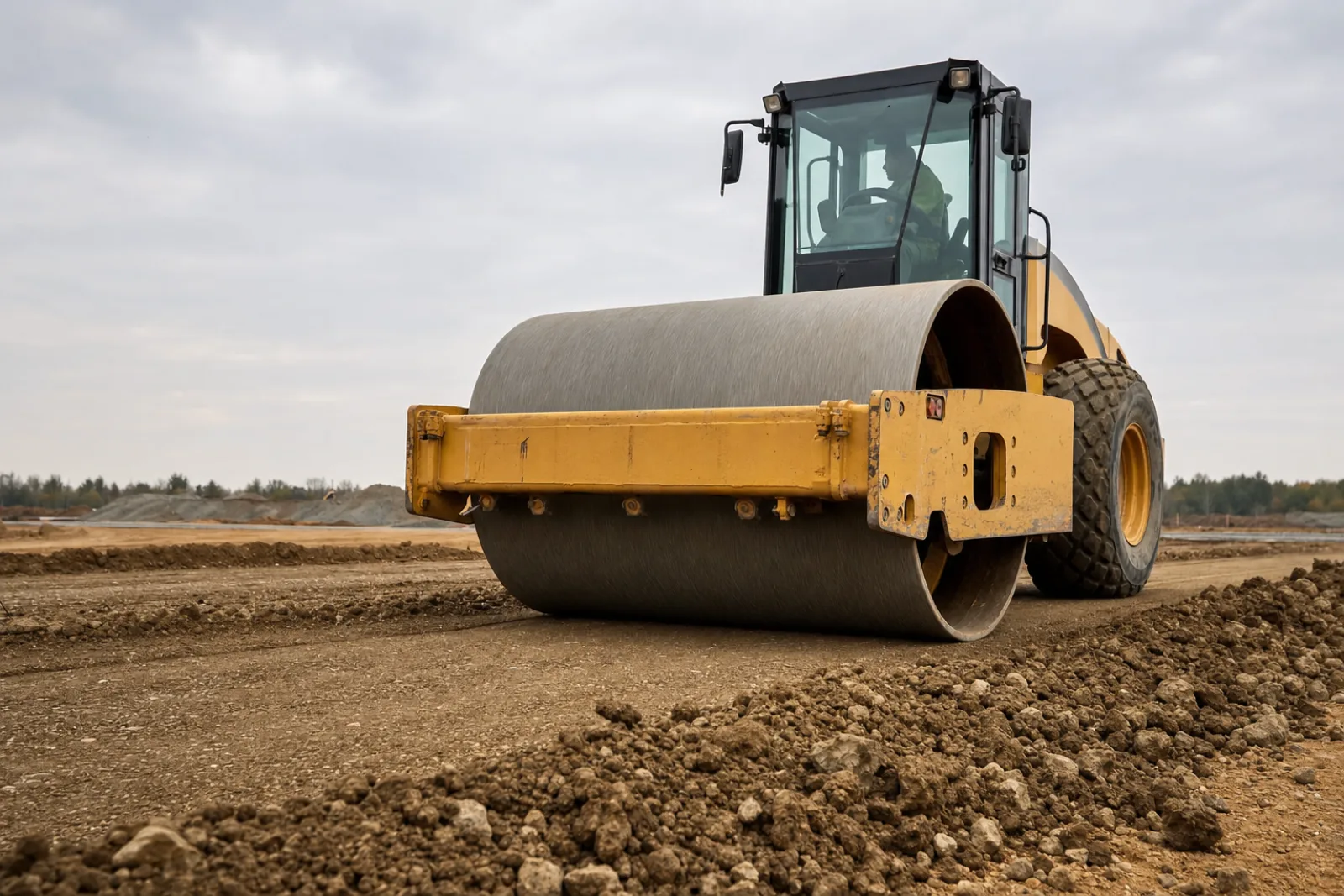
Vibratory rollers compact to 98% density, locking in a firm, sealed, water-resistant surface.

6
Step 06 · Done

Same-day traffic → optional surfacing

Open it to traffic the same day. When specified, we add HMA or chip-and-seal as a wearing course.

Real jobsite footage
Water truck spraying across a graded soil surface to blend the stabilizer to depth
Vibratory drum roller compacting a freshly mixed stabilized soil surface to density
What we stabilize

One method. Every kind of ground.

If it carries traffic and it's not organic soil, we can turn it into a firm, all-weather surface.

Gravel & dirt roads

Stop the gravel loss, ruts, and washboarding for good.

Parking lots & laydown yards

Convert dirt or gravel lots to a hard, dust-free, all-weather surface.

Construction pads & subgrade

Failed a proof roll? Stabilize the subgrade in place instead of digging it out.

Driveways & haul roads

A durable, low-cost alternative to asphalt for private and access roads.

Oil & gas access roads

All-weather lease roads and dust-controlled pads that survive every season.

Solar & wind farm roads

Miles of access roads plus crane pads — built fast, built to scale.

Municipal & county roads

Recycle existing asphalt and gravel in place, cutting annual rain-damage repairs.

Dust & erosion control

Spray-on stabilization for slopes, stockpiles, and windblown dust.

Retaining & gravity walls

Stabilize site soil into engineered gravity walls — even on scarce-aggregate sites.

Non-toxic & non-corrosive

Low-impact, non-flammable chemistry — per manufacturer data.

Works on nearly all soils

17 AASHTO soil classes — every type except peat.

Engineering-grade strength

Big gains in load-bearing capacity (CBR) and unconfined strength (UCS).

The numbers

The math works.

No hype — just the schedule and cost difference between fixing the ground in place versus tearing it out.

48 hrs
To ready-for-traffic on a documented access-road job.
10 days
Full job, vs a 10–12 week conventional timeline.
~43%
Up to this much less than excavate-and-replace.*
Cost comparison · 5,000 SY base course (illustrative third-party benchmark)
MethodRelative costEstimate
In-place stabilization
~$33.7k
Geogrid
~$41.8k
Excavate & replace
~$59.4k

A wastewater-plant access road and parking area — ready for Class 8 traffic in 48 hours, with the full job done in 10 days versus a 10–12 week conventional timeline.

Anonymized project · third-party documented case study

*Illustrative third-party benchmark. Results vary by project, soil, and scope — your project will be quoted directly.

The cost case

The cheapest road you'll ever build.

No quarry material. No trucking dirt in or mud out. We build with the ground you already have — so the savings start before we even break ground.

Up to 50%
Less than asphalt — and not tied to oil prices.
~43%
Less than excavate-and-replace.*
±20%
Under budget — and about 50% faster than traditional methods.*
  STRATABIND Asphalt Concrete Excavate & replace
Cost ≈½ the cost of asphalt $4–13 / sq ft $4–18 / sq ft Highest
Time to traffic Same day Weeks Weeks Weeks–months
Excavation None — uses your soil Base prep Base prep Full dig-out
Material hauling None Yes Yes Massive

No quarry material. No trucking dirt in or mud out. We build with the ground you already have.

*Verified third-party and field-reported benchmarks. Results vary by project, soil, and scope — your project is quoted directly.

Proven & certified

Not a promise — a proven system.

The stabilization system we apply has decades of documented performance — including storm and flood survival.

FEMA

Recognized method

Bases survived hurricanes and flooding without failing (documented, 1998).

ASTM

D 4609 & IRC 37 compliant

Meets recognized engineering standards for chemical soil stabilization.

30+ yrs

In the field

Three decades of documented, real-world performance.

1.6M+ m³

Stabilized worldwide

Over 1.6 million cubic meters of ground placed and proven.

All certifications and field history above belong to the proven stabilization system STRATABIND applies — decades of documented performance, including storm and flood survival.

Projects

Real ground. Real results.

Drag the slider to see the transformation — loose, rutted dirt becomes a firm, finished surface.

Before: the same site as raw, rutted, muddy ground prior to stabilization
After: the same site as a finished, firm, stabilized surface
Before After
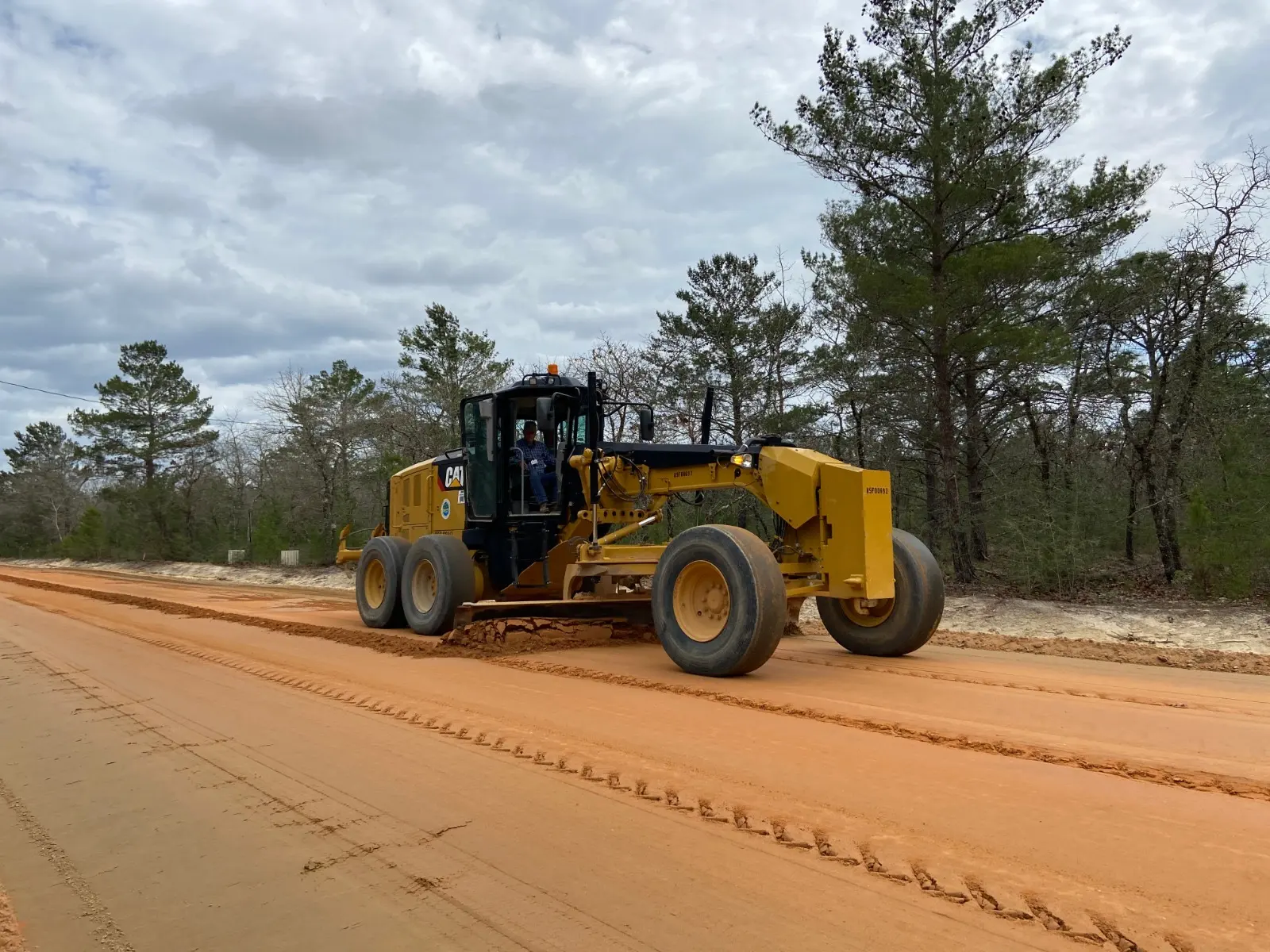
Motor grader shaping a dirt road
Grading the existing road in place
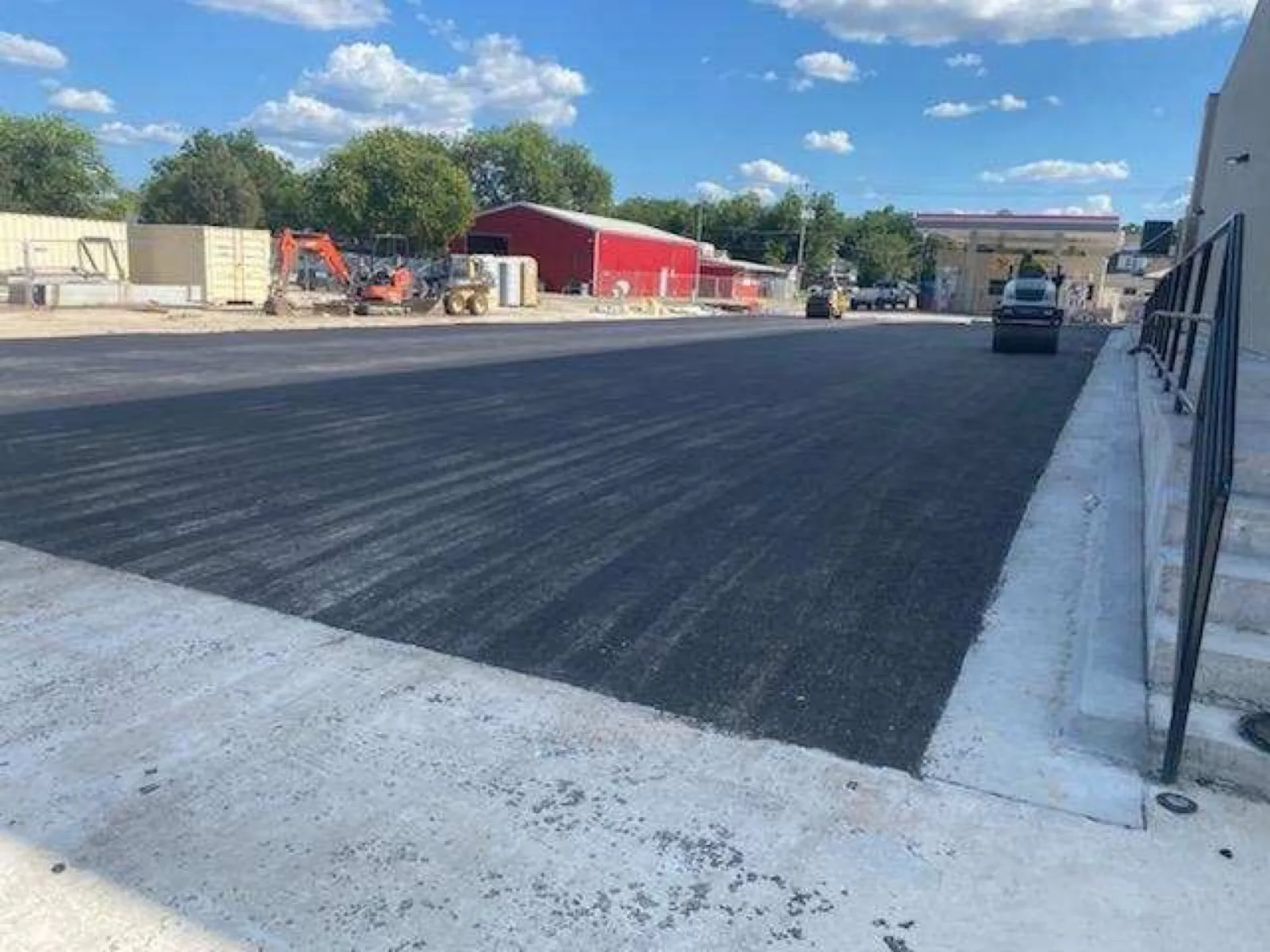
Finished firm parking surface
A finished, all-weather lot
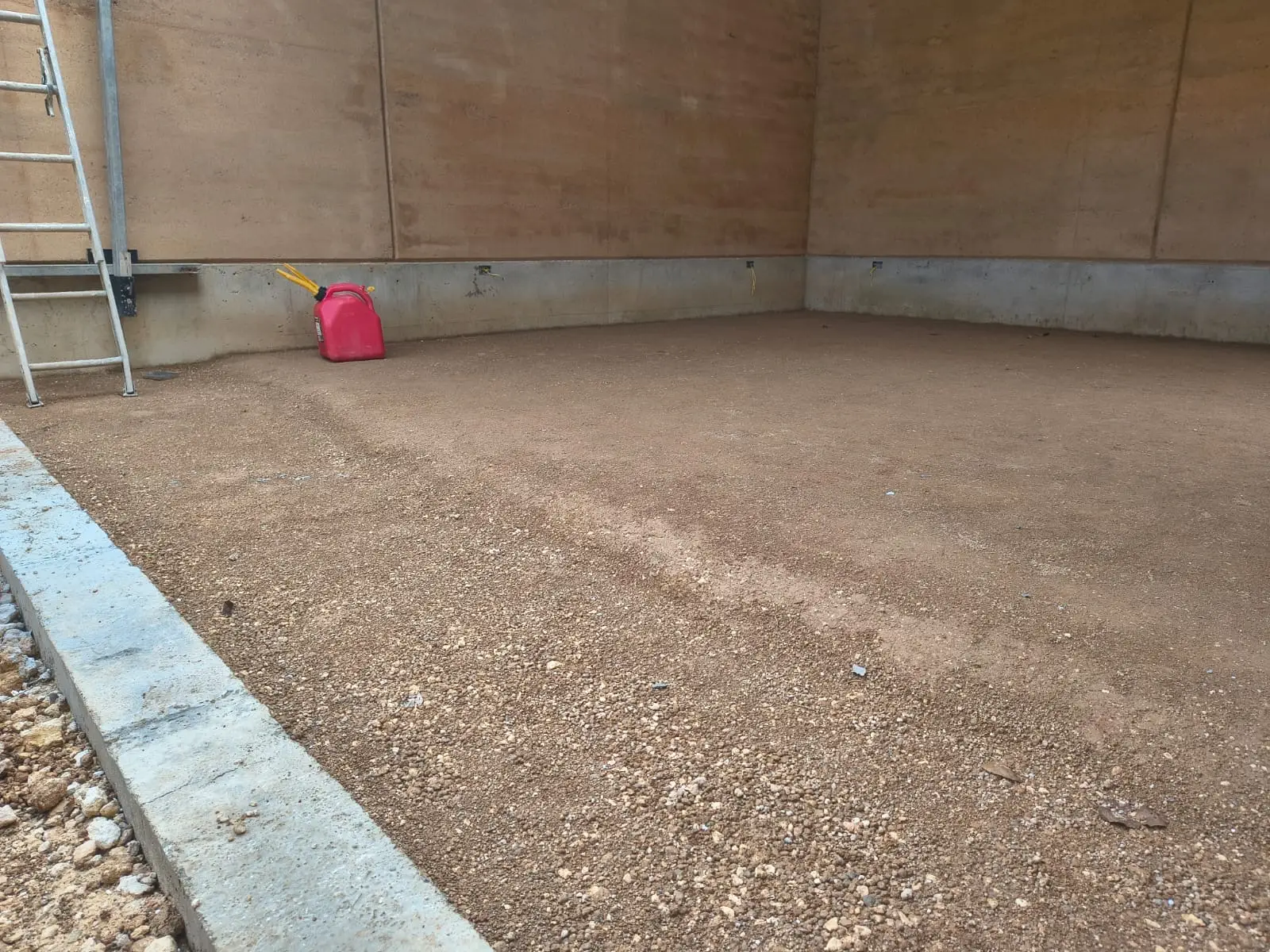
Compacted stabilized pad base
Compacted, load-bearing pad
One mobilized crew — reclaimer, water truck and roller working a road in a single pass
One crew, one mobilization
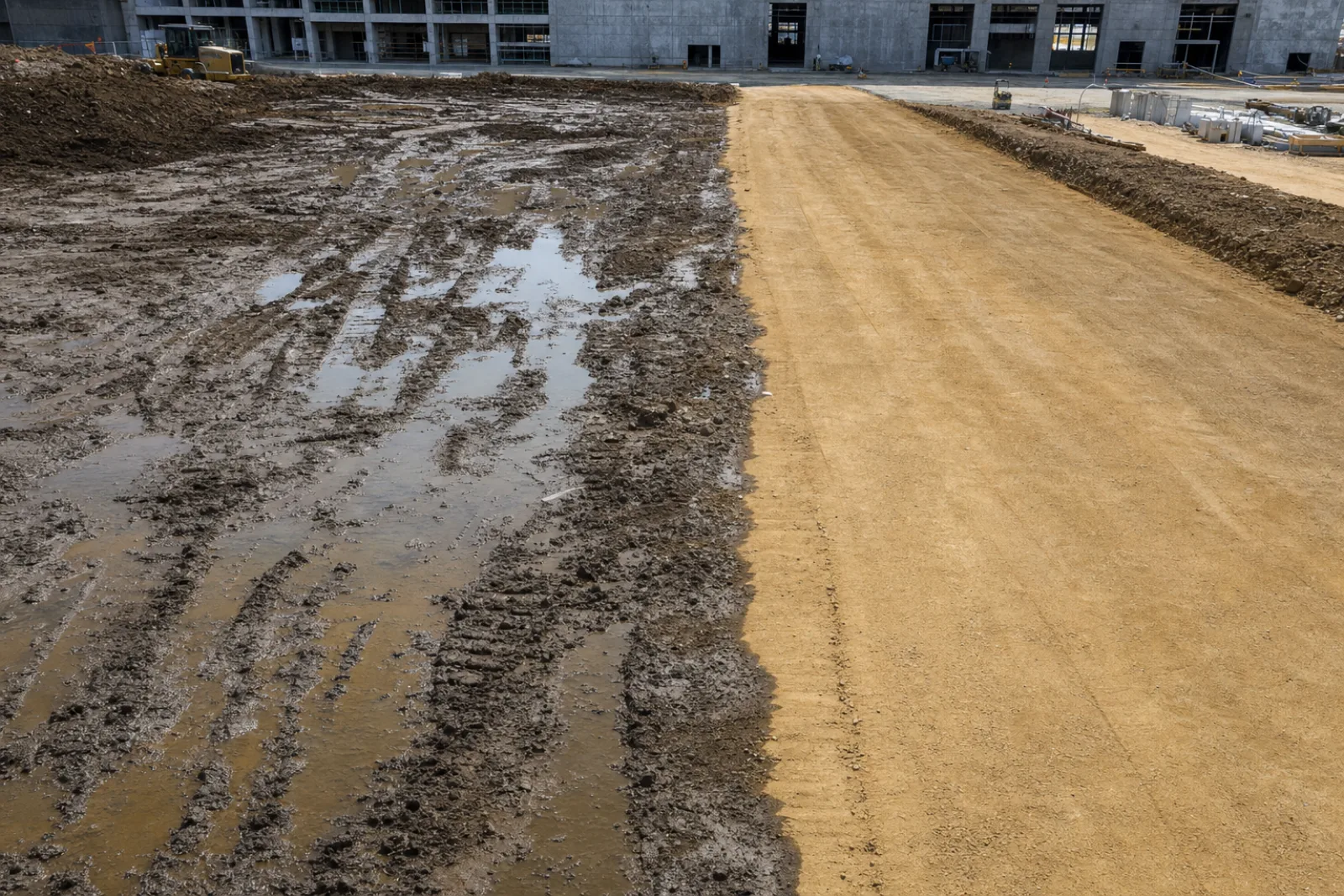
Side-by-side: muddy unstabilized ground next to a firm, finished stabilized surface
Same site — mud on one side, firm base on the other
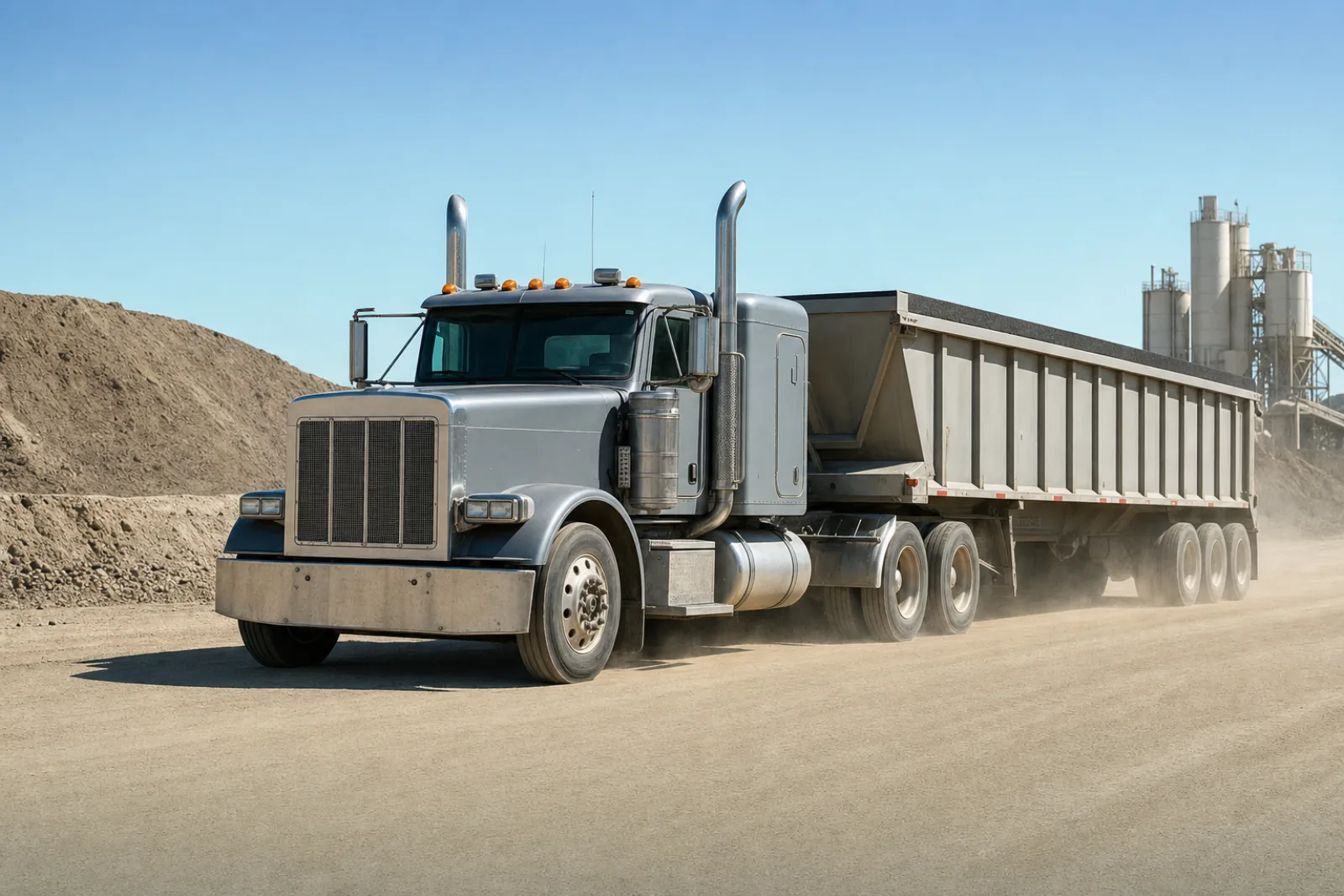
A heavy Class 8 semi-truck driving on a firm stabilized road the same day it was built
Class 8 traffic, same-day surface
A solid stabilized road standing intact beside an eroded, washed-out embankment after heavy rain
Hardest conditions

Built to beat water, flood & heavy load.

The same conditions that destroy ordinary ground are exactly what a water-resistant, same-day surface is designed to beat.

High water table

A high water table weakens subgrade. A bonded, sealed base doesn't depend on dry ground to stay firm.

Standing water & poor drainage

Where water sits and saturates roadbeds, a water-resistant surface sheds it instead of soaking it up.

Storm & flood washouts

Heavy rain wipes out gravel roads. A same-day, water-impermeable surface is a direct resilience play.

Storm- and flood-tested: the stabilization system we apply is FEMA-recognized and kept its bases intact through hurricanes and flooding.
Why us

Turnkey, in-state, and straight with the numbers.

You don't manage suppliers or coordinate trades. We assess, engineer, and build the surface — and we tell you exactly what it will and won't do.

Fully turnkey

One crew, one contract. We do it — you don't manage a chain of suppliers.

Same-day traffic

Heavy loads the same day. No multi-day cure or dwell time.

Zero excavation

No haul-off, no imported fill. We stabilize your existing ground.

Works around live operations

We build around your traffic and your schedule — minimal disruption.

Free site assessment

A real soil test and straight estimate before you commit a dollar.

Mobilized to your site

In-state crews deployed where the work is.

Straight talk: this works on virtually all non-organic soils, gravel, and even existing asphalt — but not on organic soils. We confirm suitability with a soil test before we ever quote your job.
Questions

Straight answers.

Yes. The process bonds your soil into a firm, water-resistant matrix engineered for a high water table, poor drainage, and heavy storm rain. A sealed, compacted surface sheds water instead of soaking it up, so it resists the washouts and saturation that destroy unstabilized gravel and dirt.

Properly designed and compacted, these surfaces are long-lasting — typically 10 to 15+ years of service life depending on traffic, soil, and whether a wearing course is added. We'll back the lifespan estimate for your project with references and the engineered mix design.

It works on virtually all non-organic soils, gravel bases, and even existing asphalt that can be ground back into the base. It is not suited to organic soils. We confirm suitability with a soil test before quoting any project.

Yes. Once the stabilized base is compacted to density it can accept traffic the same day, including heavy Class 8 trucks — no multi-day cure or dwell time before you can use the surface. Final surfacing, if specified, is completed shortly after.

In-place stabilization typically runs a fraction of the cost of new asphalt or concrete, and can be up to roughly 43% less than excavate-and-replace because there's no trucking fill in or hauling mud out. Exact pricing is quoted per project — results vary by soil, scope, and surface requirements.

It depends on the jurisdiction. We focus on non-regulated private and industrial work — roads, parking lots, laydown yards, and pads — which generally carries a lower permitting burden. For projects touching public right-of-way, we'll tell you straight what's required.

We mobilize crews across the U.S. Send your site location and we'll confirm fit and timing.

Free assessment

Get a free site assessment & estimate.

Tell us about your site. We'll review it, run a soil test where needed, and give you a straight estimate — no obligation.

  • Real soil test, not a guess
  • Straight cost comparison vs asphalt
  • Crews mobilized to your site, across the U.S.

No obligation. We'll review your site and give you a straight estimate.

Stop paying to truck dirt in and haul mud out. Build it once.

Get My Free Site Assessment + Cost Estimate Free. No obligation. Straight numbers for your site.